Common Blackout Curtain Mistakes in Dubai (Gaps, Wrong Tracks, Poor Measurements)
Most people don’t regret buying blackout curtains. They regret buying them and still waking up to a bright strip of light across the bed.
In Dubai, blackout curtains are a practical upgrade. Early sun is strong, high-rise lighting spill is real, and privacy matters at night. But when customers search for blackout curtains in Dubai and end up disappointed, it’s rarely because the fabric was “bad.”
It’s usually because of three boring things:
gaps, wrong tracks, and poor measurements.
Here’s what goes wrong most often, how to spot it before you order, and how to get a true blackout result that actually feels hotel-level.
Why blackout mistakes happen so often in Dubai
Dubai homes have a few factors that make blackout less forgiving:
-
Strong daylight highlights every gap and misalignment
-
Tower and street lighting creates night-time spill that behaves differently than sunlight
-
Many apartments have floor-to-ceiling windows with limited wall space at the sides
-
AC bulkheads and ceiling drops can restrict track placement
-
Building rules can limit drilling points and working hours
Field insight: in many Dubai apartments, people expect “blackout” to be a fabric purchase. It’s not. It’s a fit-and-installation job.
Mistake 1: Side gaps that let light slice through
This is a classic. You close the blackout curtains and the room still isn’t dark because light leaks from the sides.
Why it happens
-
Curtains don’t extend beyond the window frame
-
Track is too narrow
-
Curtain panels aren’t wide enough
-
Stack-back space wasn’t planned, so curtains can’t cover properly
How to avoid it
-
Plan coverage beyond the window frame (as much as wall space allows)
-
Choose a setup that allows the curtains to sit wider than the glass
-
Use proper measurement, not “window size guesses”
Practical note: even premium blackout fabric won’t feel blackout if the sides leak light.
Mistake 2: Top gaps from wrong track placement
If you see a glow at the top line, that’s usually track placement.
Why it happens
-
Track is installed too far from the ceiling
-
Curtains hang lower than they should, leaving light space above
-
Bulkheads or AC drops weren’t considered, so the track sits awkwardly
How to avoid it
-
Measure the full window area properly (including ceiling line realities)
-
Place tracks so curtains sit high and cover the window cleanly
-
If you have ceiling drops or bulkheads, plan around them instead of forcing a standard install
Field insight: many “not blackout enough” complaints are actually top-gap complaints. It’s the easiest leak to miss during planning.
Mistake 3: Choosing the wrong track system for the window
Tracks aren’t glamorous, but they decide whether your curtains function smoothly and look finished.
Common wrong-track outcomes
-
Curtains don’t close fully because of poor overlap
-
The curtain stack looks messy when open
-
The track can’t handle heavy blackout fabric weight
-
Movement feels stiff or uneven
How to avoid it
Match track to:
-
curtain weight
-
window width
-
heading style (wave, pleat, etc.)
-
room use (daily open/close vs occasional)
If you’re doing a wide or tall window, track choice matters even more. This is where motorised options can make daily use easier, but only if the base track setup is correct.
Mistake 4: Poor measurements (the silent killer)
Bad measurements don’t always look “wrong” at first. Then you live with it and realise:
-
curtains are too short
-
coverage is narrow
-
the stack-back blocks the window awkwardly
-
the room never reaches true blackout
Why it happens in Dubai homes
-
Windows aren’t always symmetrical
-
Corners, wardrobes, and AC lines reduce usable wall space
-
Some towers have window frames that aren’t standard
-
People measure “glass size” and ignore the frame and coverage needs
How to avoid it
-
Measure wall-to-wall reality, not just glass size
-
Plan where curtains will sit when open (stack-back)
-
Account for furniture placement (beds, sofas, wardrobes)
Field insight: the cleanest installs are the ones measured with the room’s furniture plan in mind. A curtain that works on paper can become annoying once the bed is in place.
Mistake 5: Expecting fabric to solve what fit should solve
People buy thicker and thicker blackout fabric trying to fix light leaks.
But in most cases:
-
fabric is fine
-
fit is wrong
-
track placement is wrong
-
coverage is too narrow
Blackout performance is a system:
fabric + lining + track + coverage + installation.
Mistake 6: Skipping sheers and regretting the daytime look
This isn’t a blackout “failure,” but it’s a common regret.
Blackout-only curtains can make rooms feel:
-
flat in the day
-
too dark unless open
-
less “finished” if privacy is still needed
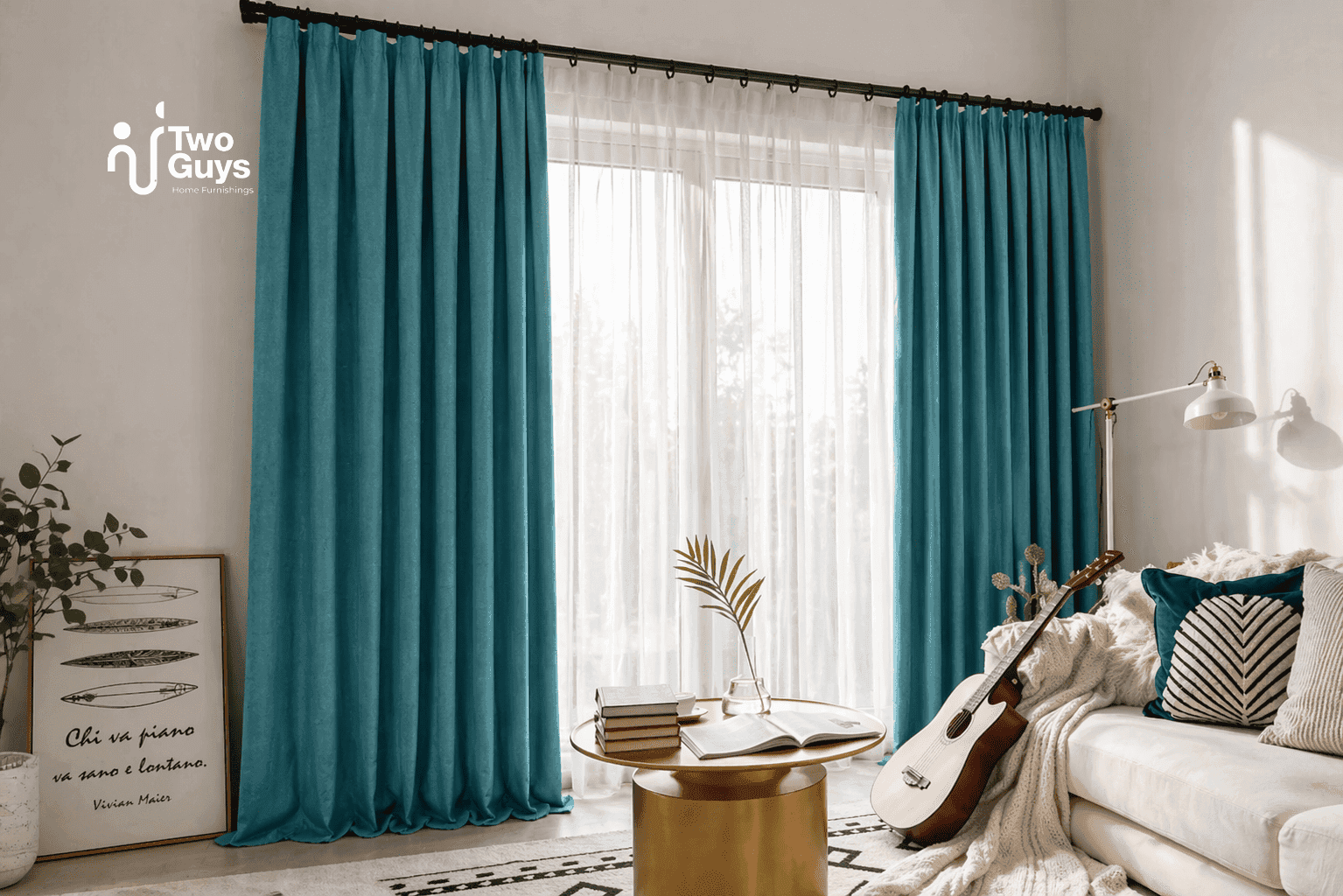
A layered setup often solves it:
-
sheers for daytime privacy and softness
-
blackout for night darkness and better sleep
Mini scenario: Downtown bedroom with limited wall space
A Downtown bedroom might have:
-
big windows
-
a wardrobe close to the window edge
-
limited wall space to extend the curtain past the frame
If you install a narrow track “just inside the window,” you’ll get side light leaks forever.
A smarter plan:
-
extend the track as far as the wall allows
-
plan stack-back so curtains sit neatly when open
-
focus on fit first, fabric second
That’s the difference between “blackout curtains” and “curtains that look blackout.”
The short checklist to avoid blackout curtain regrets in Dubai
Before you order:
-
Are you extending coverage beyond the frame to reduce side gaps?
-
Is the track placed high enough to reduce top light leaks?
-
Is the track system suited to the curtain weight and window width?
-
Has stack-back space been planned (where fabric sits when open)?
-
Are you measuring the actual wall and frame reality, not just glass size?
-
Do you need sheers for daytime privacy as well?
-
Are building rules and drilling limitations being considered?
If you can’t confidently answer these, the solution isn’t “buy thicker fabric.” It’s “measure and plan properly.”
Quick decision guide: what to fix first
-
Light leaks at sides: widen coverage and track placement
-
Glow at top: track height and ceiling line planning
-
Curtains feel messy or stiff: wrong track or wrong heading style
-
Curtains don’t look premium: finishing, alignment, stack-back planning
How Two Guys helps you avoid these mistakes
Blackout curtains are not a quick add-to-cart upgrade. They’re a measurement and installation job.
At Two Guys Home Furnishings, our process is consult-led:
-
Scheduled appointment
-
Free home visit and measurements
-
Free custom quote
-
Professional installation (often completed within 2–3 days for many window covering projects, depending on scope)
-
Warranty coverage on applicable products as per terms
If you’re searching for blackout curtains in Dubai, the fastest way to get the right result is getting the fit right first. We measure properly, plan track placement around your wall space and building realities, and recommend a setup that actually delivers blackout, not “almost blackout.”
To book a free home visit, call or WhatsApp 052 933 2833, browse options at twoguys.ae, and see real installs at @twoguysuae on Instagram.